Top 5 Fitness and Conditioning Gyms for Fighters in Phuket (2026)
Most Phuket camp injuries happen when people out-train their recovery. Smart S&C makes you harder to break—this guide shows how to choose it.
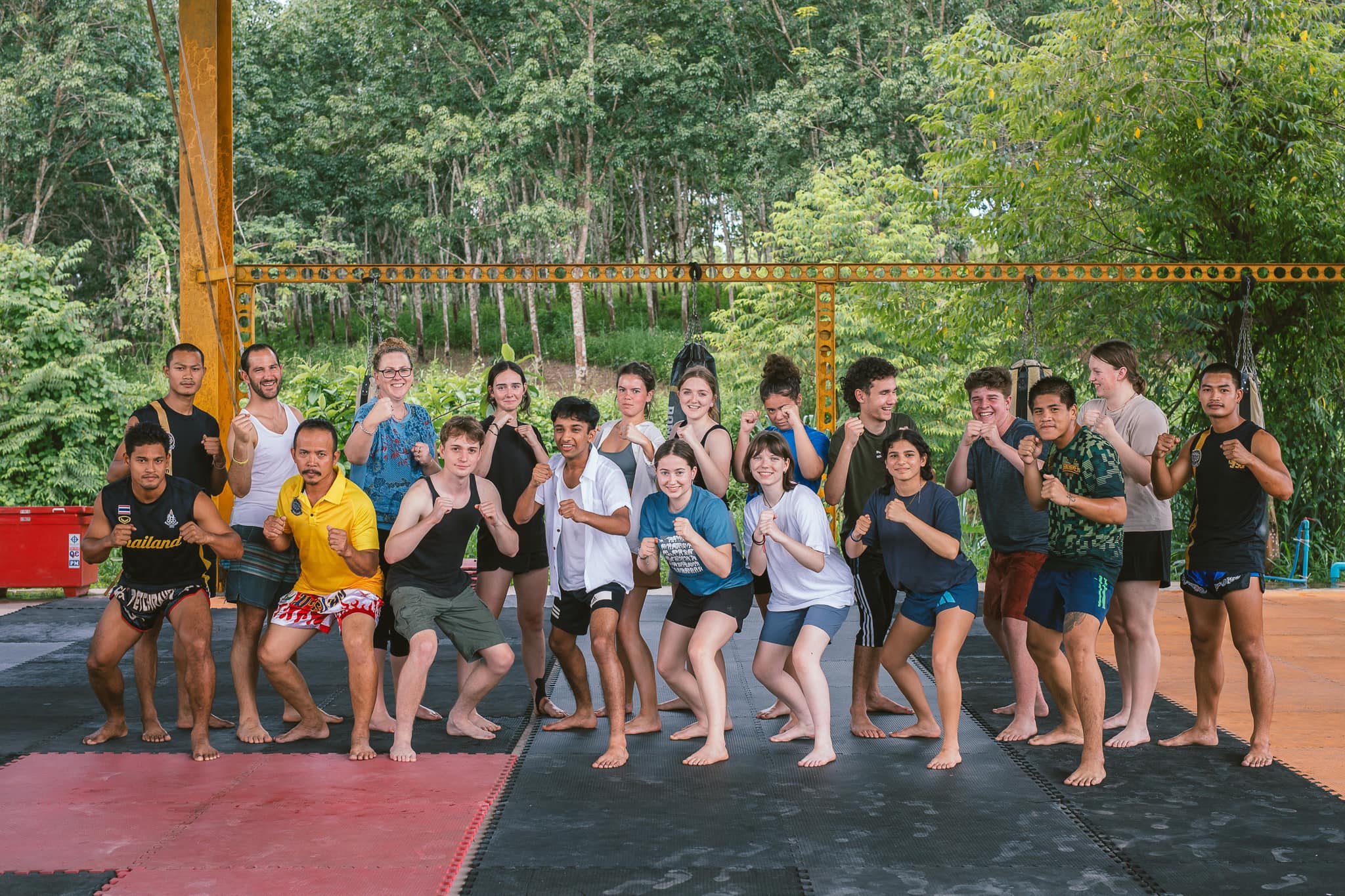
Phuket is famous for striking camps—but the best long-stay fighters treat strength, conditioning, and recovery as part of the camp, not an afterthought.
On this page
2x/week
The most sustainable S&C dose for most travelers during a hard Phuket training block.
Why fighters add S&C in Phuket
Performance + injury resistance
Phuket camp life is simple: train, eat, recover, repeat. The problem is that most travelers only plan the training part. Strength and conditioning makes you more resilient to the predictable failure points: shin pain, hip tightness, lower-back fatigue, shoulder overload, and the specific exhaustion that shows up around week 3.
Smart S&C in Phuket does not mean bodybuilding. It means enough strength to keep your technique clean under fatigue, enough conditioning to survive high-volume pad rounds, and enough recovery work that your camp lasts long enough to matter.
Top 5 conditioning gym types in Phuket
Phuket has many options. Instead of naming one “best” gym, pick the category that matches your training phase.
1) Fighter-friendly barbell S&C (strength base)
Best when your goal is getting stronger without wrecking your Muay Thai volume. Look for squat/hinge/pull/push programming, sensible load progressions, and coaches who can modify sessions on heavy sparring weeks.
2) Functional conditioning / engine-building gyms (aerobic base)
Best for building repeatability: circuits, intervals, sleds, assault bikes, and simple metrics. Great for week 1–2 of a camp, then taper as sparring intensity rises.
3) Combat-sports performance clinics (coach-led, small group)
Best when you want coaching feedback on movement quality. These gyms focus on keeping knees, hips, and shoulders healthy under striking volume—often the highest ROI for long-stay travelers.
4) Rehab/physio-forward gyms (injury management)
Best when you have a chronic issue: knee pain, shoulder impingement, or back tightness. The goal is to stay training, not win the weight room. Look for assessment, progression, and clear return-to-training plans.
5) Recovery + mobility studios (keep the camp alive)
Best when you are already training twice daily and you need to protect joints. Mobility, yoga, stretching, and soft tissue work are the difference between finishing week 4 and limping home in week 2.
How to pick the right one (the fighter filter)
Commute is the hidden variable
Match S&C to your camp phase
Avoid doubling hard days
Need a base camp first? Start with the best Muay Thai gyms in Phuket guide, then layer S&C around the camp schedule you choose.
A sample week (Muay Thai + S&C, sustainable)
| Day | AM | PM | Notes |
|---|---|---|---|
| Mon | Roadwork (easy) | Muay Thai (technique) | Add S&C Tue/Thu so you do not stack fatigue immediately. |
| Tue | S&C (strength) | Muay Thai (pads) | Keep lifting heavy but low volume. |
| Wed | Mobility / yoga | Muay Thai (clinch / light spar) | Protect neck and hips. |
| Thu | S&C (engine) | Muay Thai (pads) | Intervals or sleds, not max effort. |
| Fri | Roadwork (optional) | Muay Thai (sparring day) | Skip S&C. Sleep and hydrate. |
| Sat | Technique / light | Optional second session | Finish the week, do not empty the tank. |
| Sun | Rest | Rest | Massage, walk, prep food, recover. |
This is a template, not a prescription. Adjust based on experience, injury history, and your camp’s sparring structure.
Recovery
Phuket recovery: what actually works
The best recovery stack in Phuket is still boring: sleep, consistent carbs + protein, hydration, and one protected rest day. Add massage, sauna, and cold plunge only after the basics are locked.
If you are budgeting a longer stay, plan the full trip cost—not only training fees. Use the Thailand Muay Thai cost guide (2026) and the packing list to avoid mid-trip money and logistics stress.
Browse Phuket gyms and build your training stack
Pick your base camp first, then add S&C and recovery around it.
FAQ
Practical answers for fighters building a Phuket conditioning routine.
Do I need a separate strength and conditioning gym in Phuket if I train Muay Thai?
Not always. Many Muay Thai camps include conditioning, bag circuits, and basic weights. A separate S&C gym becomes useful when you want structured lifting, better equipment, or rehab/recovery services.
How many strength sessions per week should a fighter do during a camp?
Most travelers do 2 sessions/week alongside 6–10 striking/grappling sessions, plus one protected rest day. If you are new to lifting, start with 1–2 lighter sessions and build slowly.
What matters most in a Phuket conditioning gym?
Equipment that matches your goal (barbells, machines, sleds), coaches who understand combat sports fatigue, and a location close enough that you will actually show up after training.
Is Phuket good for long training blocks?
Yes—Phuket has high gym density, strong training community, and good recovery options. It is also one of Thailand’s more expensive destinations, so plan your all-in budget (accommodation + food + transport).
Should I do S&C on the same day as Muay Thai?
Often yes, but separate by 4+ hours when possible. Keep hard sparring and heavy lifting away from each other—pair technique-focused Muay Thai days with lifting, and keep fight-simulation days lighter.
Are ice baths/sauna worth it in Phuket?
They can be—especially for long stays where recovery is the limiting factor. But sleep and nutrition beat every recovery gadget. Treat ice/sauna as tools, not miracles.
Is it safe to rent a scooter to get to an S&C gym in Phuket?
Scooters are common but carry real risk. If you are training hard, even a minor crash can end the trip. Budget for taxis/Grab if you are not a confident rider, and always wear a proper helmet.
Can I find Phuket gyms with weights and recovery amenities on CombatBooking?
Yes. Open Phuket listings and read each gym profile for weights areas, cardio equipment, physio, massage, and recovery tools.