Visas for Martial Arts Training in Thailand: Ed Visa & Alternatives (2026)
A structured overview of how martial arts travelers plan long stays in Thailand using the Ed visa, DTV, and tourist options. Editorial guide, not legal advice.

There is no single ‘Muay Thai visa.’ There are visa categories that fit different stay lengths—pick the one that matches your trip, not the one someone on a forum told you about.
On this page
3 paths
The three visa categories martial arts travelers usually compare for Thailand training trips.
The basics, stated plainly
Start here before the forums
If you are going to Thailand for a weekend-length taste of Muay Thai, BJJ, or MMA, visa planning is usually simple. If you are going for a real training block of a month, three months, or a year, visa planning is the single most important logistics decision you will make—and the most commonly botched.
This page is an editorial planning framework, not legal advice. Rules depend on your nationality, the sponsoring institution, and current Thai immigration policy, which changes. Always verify with official sources before booking flights, and read this alongside the DTV & training visa guide and the visa extension & overstay guide.
Non-Immigrant ED
The Ed (Education) visa
The Non-Immigrant ED visa is Thailand’s visa category for educational purposes—language schools, universities, and, in some cases, sports or martial arts institutions recognized by Thai authorities. Some well-established Muay Thai camps partner with recognized educational or sport bodies to sponsor students on multi-month training stays.
For the traveler, the ED visa typically means: a sponsoring institution, documented training commitments, initial issuance for a multi-month period, and periodic extensions handled through Thai Immigration. The exact process varies by institution and nationality.
The ED visa is not a magic pass. It requires genuine enrollment, ongoing attendance, and documentation that matches your training commitments. If a “visa agent” offers you an ED visa without any real training enrollment, treat it as a risk signal.
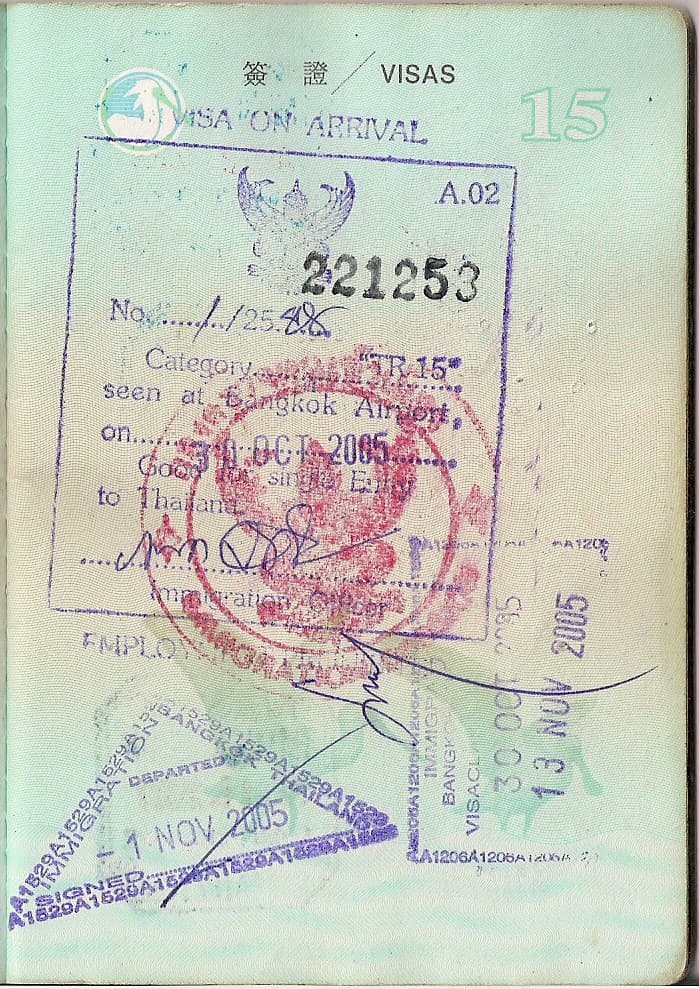
Destination Thailand Visa
DTV as an alternative for training travelers
The DTV (Destination Thailand Visa) was introduced to support longer-term visitors including remote workers, cultural participants, and certain training-related stays. For some martial arts travelers, DTV can be a cleaner fit than ED—especially if they are not enrolled in a formally sponsoring institution but are training long-term and working remotely.
Eligibility, activity coverage, and documentation requirements evolve. Treat DTV as its own research project with official checklists. Start at the Thailand e-Visa portal and cross-check with your local Thai embassy or consulate.
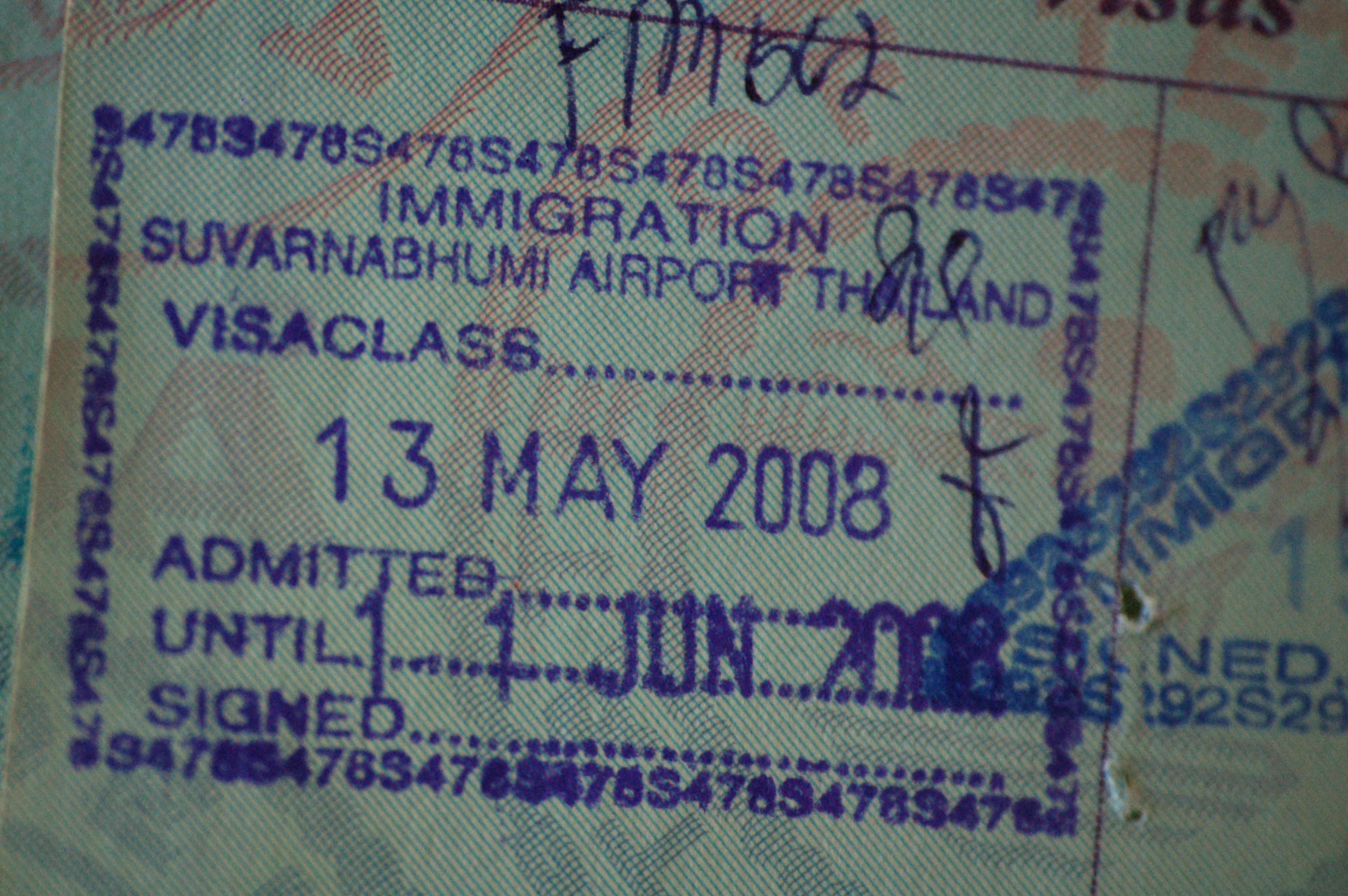
Tourist-style options for shorter stays
Visa-exempt entry
Tourist visa
Back-to-back entries
Which visa path fits which training trip?
| Trip profile | Typical fit | Why |
|---|---|---|
| 1–3 weeks, single camp | Visa-exempt / tourist | Simplest and fastest. |
| 1–3 months, single camp | Tourist visa (+ extension) or DTV | Enough stay length without heavy sponsorship paperwork. |
| 3–12 months, serious training | ED visa (if camp can sponsor) or DTV | Structured long stays; ED visa requires genuine enrollment. |
| Ongoing/year+ with remote work | DTV (if eligible) | Aligns with remote-work lifestyle and long-term stays. |
| Fight preparation (1–6 months) | Tourist + extension, ED, or DTV | Depends on sponsoring camp and nationality. |
Table is directional only. Always confirm with official sources for your passport before purchasing flights.
Documents martial arts travelers commonly prepare
Your embassy may ask for different items than a friend’s passport. Use this as a starting checklist, not a guarantee.
- Passport with 6+ months validity
- Passport-style photos (digital and printed)
- Accommodation confirmations for your stay
- Training enrollment or camp booking confirmations
- Proof of funds (if required by visa class)
- Travel insurance covering contact sports training
- Return or onward travel plan
- Sponsor documents (for ED visa, from the institution)
- Any health or vaccination documents required for entry
Official sources
Use Thai government and your embassy’s pages for the actual forms, fees, and latest rules. Articles go stale.
Thai Immigration Bureau
Extensions, overstays, policy notices.
Open official site →
Ministry of Foreign Affairs (MFA)
Visa categories and policy announcements.
Open official site →
Thailand e-Visa Portal
Online applications where supported.
Open official site →
Thai Embassies & Consulates
Country-specific requirements.
Open official site →
Find a camp that supports your stay length
Confirm visa logistics with the camp before you book flights.
FAQ
Common questions about Ed visa, DTV, and martial arts training stays.
Is there a specific Thailand Muay Thai visa?
There is no single dedicated “Muay Thai visa” for all nationalities. Martial arts travelers typically use one of: short-stay tourist entry, a Non-Immigrant Education (ED) visa tied to a recognized training institution, or the newer DTV (Destination Thailand Visa). Eligibility varies by passport—always verify with your embassy and Thai immigration.
What is the Ed visa and who is it for?
The Non-Immigrant ED visa is issued for educational purposes at schools, universities, or institutions recognized by Thai authorities. Some Muay Thai camps and martial arts schools partner with recognized educational institutions or sport organizations to sponsor training students—rules and processes differ by camp and by nationality.
How long can you stay on a Thailand Ed visa?
ED visas are typically issued for multi-month periods with the ability to extend. Actual duration and extension conditions depend on the sponsoring institution, your nationality, and current immigration policy. Always confirm the current rules directly with the Thai Immigration Bureau and your sponsor.
Is the DTV better than the Ed visa for martial arts training?
It depends on your situation. DTV may suit remote-working trainees and some long-stay travelers. ED visa suits those sponsored by a recognized training institution. Neither is strictly better—they serve different profiles.
Can I train on a tourist-style visa?
For shorter stays, many nationalities can train under tourist-style entry (with extensions where allowed). For multi-month structured training, a longer-term visa is usually the more sustainable route.
Can my gym sponsor my Ed visa?
Some larger camps or those partnered with recognized educational institutions can, but many cannot. Ask candidate gyms directly and request the exact documentation and fees in writing before booking flights.
How much does an Ed visa cost?
Fees vary: embassy or e-visa application fees, institution tuition/training fees, and periodic extension fees. Budget should be treated as a planning line item, not a rounding error—see the cost guide.
Do I still need visa runs on an Ed visa?
Some ED visa holders are required to do periodic extensions at Immigration rather than full “visa runs.” Exact process depends on the visa type issued and current rules. Always confirm with your institution and Immigration Bureau.
What is the single biggest mistake travelers make?
Booking flights before confirming the visa path in writing with both their camp and their embassy/consulate. Visa planning is slow; flights are fast—do the slow thing first.
Disclaimer: This guide is for general planning information only and does not constitute legal or immigration advice. Always confirm current rules with the Thai Immigration Bureau, Ministry of Foreign Affairs, and your local Thai embassy or consulate before making travel decisions.