Thailand Visa Extension & Overstay Guide (2026)
Built for long-stay fighters and travelers who need a reliable planning framework—plus official links—before they commit to a month-long camp.
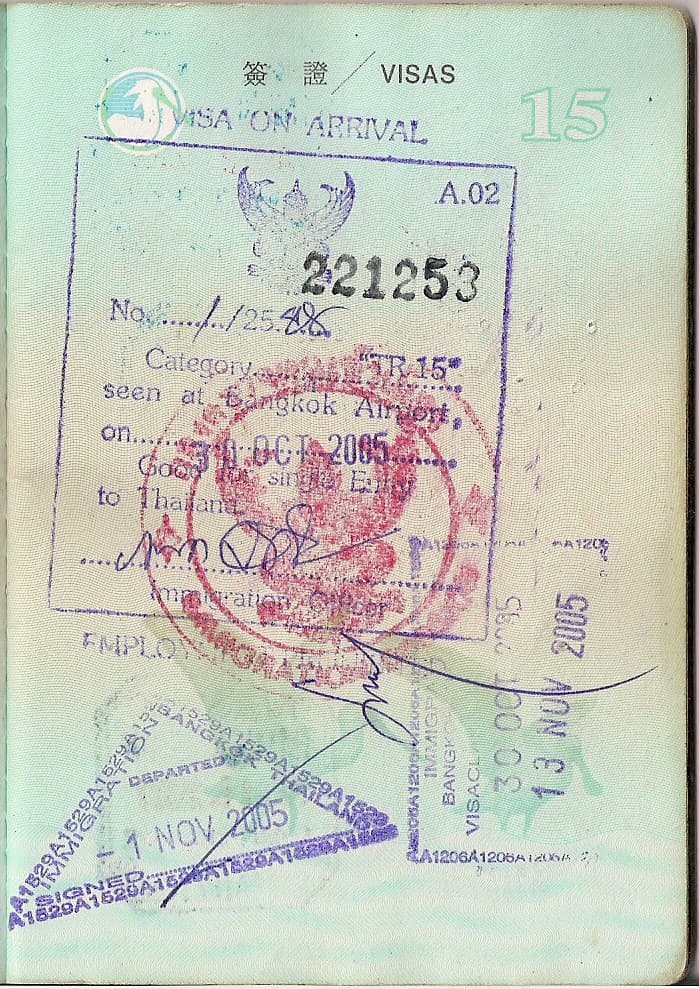
Extensions and overstays can ruin a training trip. Use a checklist, act early, and verify everything with official sources.
On this page
The long-stay mindset: act early
Most problems are timing problems
People search Thailand visa extension when they’re already under stress. The best time to plan is earlier—before you book a month-long camp and before your permitted stay window gets tight.
This page is intentionally practical: it gives you a framework, a checklist, and links to official sources. It does not replace professional or official guidance.
Visa extensions: what travelers usually do
Gather documents
Submit early
Keep receipts
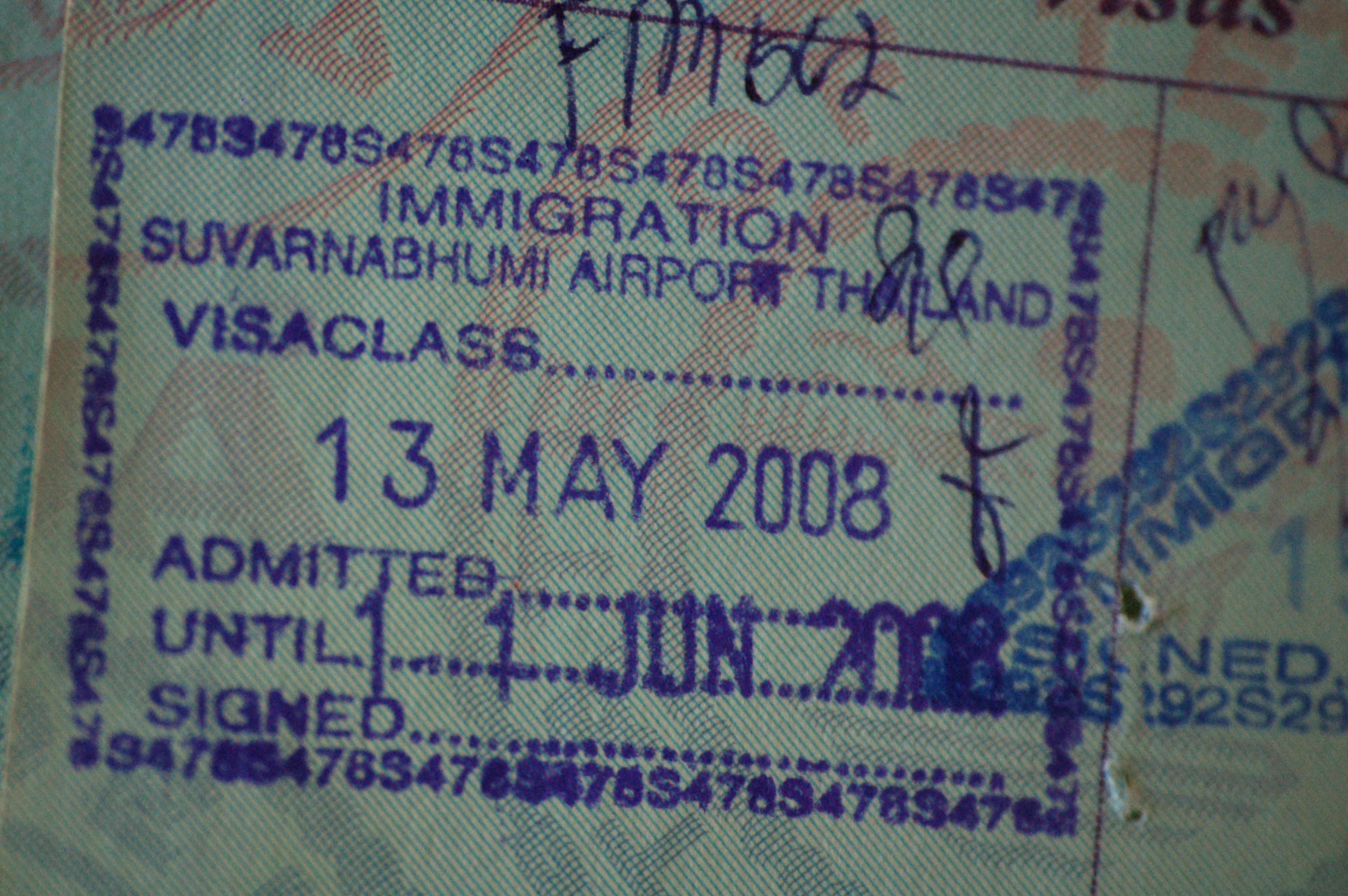
Overstay: why “just paying the fine” is a trap
Overstay discussions online often focus on the fine. That’s incomplete. The real risk is what happens if you run into enforcement or travel disruptions. Treat overstay as a “failure mode” you want to avoid, not a planned strategy.
For training travelers, the impact is bigger: overstays can break your itinerary, cancel bookings, and complicate future entries. Build buffer days and verify current rules.
If you’re close to a deadline, prioritize official guidance and in-person clarification. Internet advice can be outdated within weeks.
Official sources (bookmark these)
Always verify the latest extension rules, forms, and fees using official sources right before you act.
Thai Immigration Bureau
Official notices, offices, and processes.
Open →
Thailand e‑Visa
Portal for applicable visa types and checklists.
Open →
Ministry of Foreign Affairs (MFA)
Official policy announcements and government info.
Open →
Thai embassies & consulates
Country-specific requirements and processing rules.
Open →
Pick your camp after your stay plan is clear
Browse verified Thailand gyms once you know your dates.
FAQ
Common questions around extensions and overstays.
How much is a Thailand visa extension?
Fees vary by visa type and policy, but many common extensions are paid at immigration offices. Always confirm the current fee and requirements with official sources before you go.
What is the TM.7 form?
TM.7 is an application form commonly used for extensions of temporary stay. Requirements and supporting documents depend on your visa class and current policy.
What happens if I overstay in Thailand?
Overstay can involve fines and more serious consequences depending on duration and circumstances. Do not treat overstay as “just a fee”—use official sources and fix status before it becomes a bigger problem.
Is this legal advice?
No. This is an editorial planning guide for travelers. Immigration rules change; verify with Thai authorities and your embassy/consulate.
Where do I extend my stay in Thailand?
Extensions are typically handled at immigration offices. The exact office, documents, and steps can vary by location and visa type—use official Immigration Bureau information and confirm requirements before you go.
How early should I apply for an extension?
Earlier is safer. Build buffer days so you are not forced into last-minute decisions. Rules and queues vary—treat timing as a key part of your plan.
Should I book non-refundable camps before my status is clear?
That’s a risk decision. Many long-stay travelers prefer flexible bookings until they confirm the latest official requirements and their timeline.
Disclaimer: This guide is for general information only and does not constitute legal advice. Immigration policy changes; always verify with official government sources and qualified professionals.